In a nutshell
- 🥚 Clean, crushed eggshells release calcium that gently buffers pH, reducing bitterness and amplifying umami for a noticeably richer broth in 5 minutes.
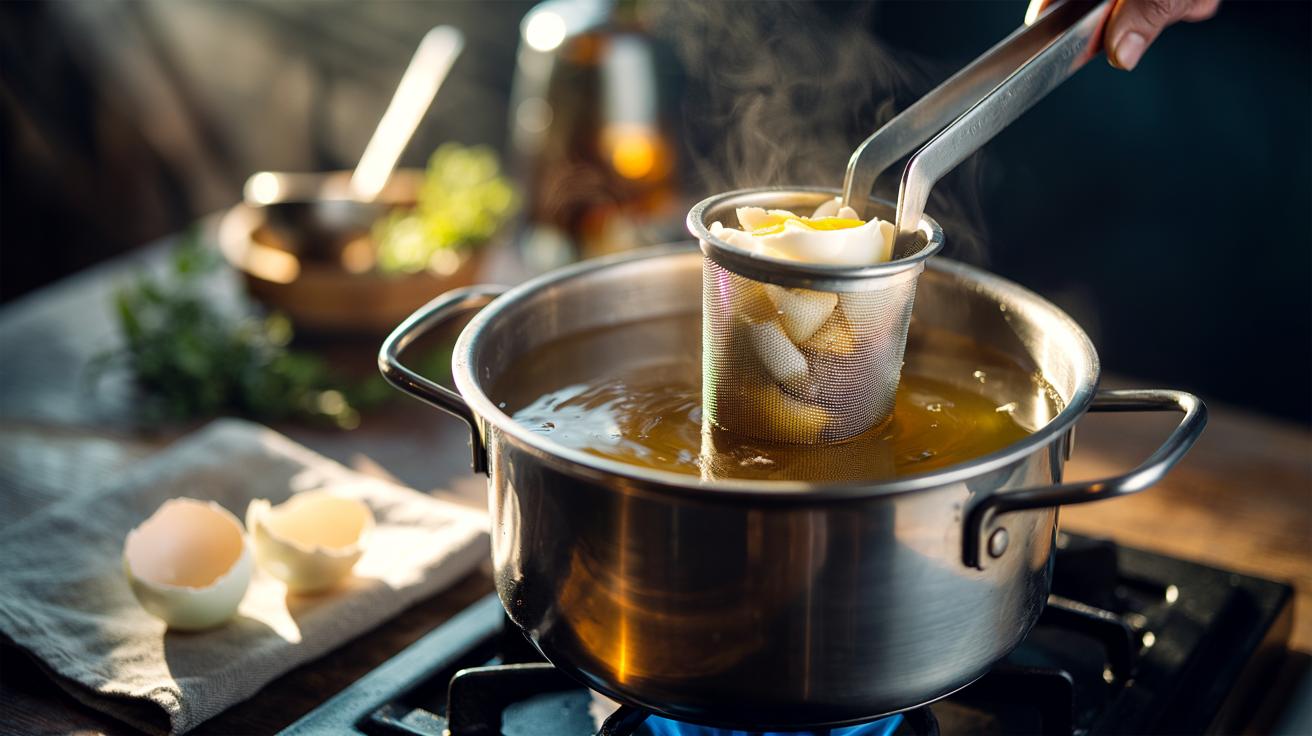
- ⏱️ The method: rinse shells, bake 10 minutes at 150°C to sanitise, crush, bag in a tea infuser, simmer in finished stock for 5 minutes, then remove and strain.
- 🧪 Why it works: calcium carbonate shifts acidity and encourages protein/phenolic aggregation, improving clarity and making glutamate and 5’-nucleotides taste more coherent.
- 🛡️ Control and safety: keep quantities small, avoid long contact (especially in acidic soups), recheck seasoning after, and always strain to prevent chalkiness.
- 🌱 Beyond broth: use for creamier beans and gentler vegetable stocks, tame harsh coffee; or substitute with food‑grade calcium carbonate or clean oyster shell powder.
Kitchen alchemy sometimes hides in plain sight. One such trick is hiding in your breakfast: the humble eggshell. Add it to simmering stock and, in mere minutes, your broth tastes cleaner, rounder, more intense. Not magic. Chemistry. The shell’s calcium—mostly calcium carbonate—nudges pH, binds stray proteins, and softens harshness, making umami feel bolder without extra salt. Busy cooks need speed; purists want clarity. This offers both. With care and good technique, five minutes is enough to coax a surprising lift. Think of it as a palate polisher for soups, sauces, and ramen bases—simple, frugal, and oddly elegant.
The Science: How Calcium From Eggshells Amplifies Umami
Eggshells are principally calcium carbonate, with traces of magnesium and phosphates. Drop clean, crushed shells into hot broth and the surface slowly releases minute amounts of calcium ions while acting as a mild buffer. That small shift matters. A slightly less acidic environment changes how glutamate and 5’-nucleotides present themselves to our taste receptors, so savouriness reads as fuller and more coherent. This tiny calibration doesn’t add new flavours; it organises the ones you’ve already built.
There’s another effect: the porous shell provides nucleation points that encourage the aggregation of “floaties”—minuscule proteins and phenolics responsible for murk and a hint of bitterness. As these coagulate, they’re easier to skim or strain, producing a brighter-looking, cleaner-tasting stock. It’s the same logic behind adding shells to coffee grounds to tame harshness—different medium, similar chemistry. Crucially, this is not a substitute for long extraction from bones or vegetables. It is a finishing nudge. In a concentrated ramen tare or quick roast-chicken jus, that nudge reads as deeper broth intensity with less edge and more glide.
The Five-Minute Method: From Shell to Stock Pot
You’ll need the shells of 1–2 eggs per litre of broth, ideally from eggs you’ve already cooked. Rinse thoroughly to remove membrane, then dry and bake at 150°C for 10 minutes to sanitise. Store these pre-baked shells in a jar; they’re your ready-to-go flavour tool. When your soup or stock is nearly done, crush a shell to coarse grit, place it in a tea infuser or a small muslin bag, and lower it into the simmering liquid. Give it 5 minutes. Stir occasionally to expose fresh surfaces. Remove the infuser and strain once through a fine sieve. Always strain well to avoid chalky specks.
Timing and quantity matter. Too much shell for too long risks chalkiness or flattening acidity in delicate soups. Use it as a finishing step—right before seasoning checks. Taste, add salt if needed, and decide whether another minute helps. This is a micro-adjustment, not a new cooking phase, so keep your heat gentle and your timeline tight.
| Step | Why It Works | Time |
|---|---|---|
| Rinse & Bake Shells | Sanitises; removes membrane off-flavours | 10 minutes |
| Crush & Bag | Increases surface area; prevents grit | 1 minute |
| Simmer in Broth | Calcium buffers pH; clarifies; rounds flavour | 5 minutes |
| Remove & Strain | Ensures clean texture and appearance | 1 minute |
Taste, Texture, and Safety: What to Expect
Expect subtle shifts, not fireworks. The best results are perceptual: reduced bitterness, a silkier mouthfeel, and a sense that the base is somehow “tighter.” Salt may register differently because pH and ion balance affect taste perception; re-check seasoning after the shell comes out. In chicken stock, herbs seem more vivid. In mushroom broths, umami stands taller. Tomato-based soups? Proceed sparingly. Strong acids can dissolve more carbonate, which may overcorrect and mute brightness. Use minimal shell and shorter time for acidic recipes.
Hygiene is non-negotiable. Raw shells can carry pathogens, so washing and baking are essential. Keep shells in a sealed jar and treat them like a spice, not a scrap. If in doubt, boil them separately for 5 minutes, then transfer the bag straight into your pot. Texture-wise, any residual chalkiness means insufficient straining or excessive shell. Use a tea infuser, not loose fragments, and finish with a fine mesh. This preserves clarity while preventing grit. Think of the eggshell as a precision tool that polishes, never dominates, the broth you’ve made.
Beyond Broth: Smart Uses and Substitutes
The technique plays well with beans and pulses. A small bag of crushed shell in the pot can soften water, helping skins cook tenderly while keeping interiors creamy. In plant-based stocks heavy with brassicas, the shell trims bitterness without smothering the green character. Coffee lovers already know the hack: a pinch with grounds softens harshness in very dark roasts. Always start small; it’s easier to add than undo.
Prefer a controlled option? Try food-grade calcium carbonate (sold as chalk or antacid powder) or clean oyster shell powder. These deliver similar buffering with fewer variables, though they lack the kitchen-scrap charm. In professional settings, cooks sometimes use a touch of alkaline salts to tweak perception in rich reductions; the eggshell offers a gentler, more rustic route. Whatever your choice, remember the goal: highlight what’s there, not mask flaws. Paired with clear skimming, careful roasting, and restrained seasoning, this is a modest intervention that yields a noticeable payoff—particularly when service is looming and the stock needs a final shine.
One eggshell, five minutes, and a pot already singing—that’s the entire proposition. It’s frugal, sustainable, and, within limits, deliciously effective. Broth grows brighter. Umami stands straighter. Dinner feels more considered than the clock suggests. Keep a jar of clean shells by the stove and treat them like bay leaves: brief contact, big returns. Your ladle will tell you when it’s enough. Ready to try it tonight—and if you do, which soup or sauce will you choose for your first calcium-powered polish?
Did you like it?4.6/5 (28)