In a nutshell
- 🌱 A swift calcium shock can stabilise stressed roots within minutes; roots register Ca²⁺ signals fast, delivering membrane repair and turgor support, while visible recovery unfolds over hours to days.
- ⚗️ Convert eggshells to soluble calcium acetate: toast and grind shells, react 1 tsp powder with 2 tbsp 5% vinegar for 2–3 minutes, then dilute with 250–500 ml water, strain, and ensure near-neutral pH for root safety.
- ⏱️ Apply 50–100 ml per 15–20 cm pot at the root zone in the morning; expect perk-up in 10–30 minutes; avoid foliar spraying and limit to weekly use to prevent nutrient imbalance.
- 🚫 Best for calcium-linked symptoms (blossom-end rot, tip burn, repot stall); water droughted plants first; avoid or limit on ericaceous species and in chalky soils; don’t stack with high-phosphate feeds the same day.
- 🇬🇧 Most impactful in UK soft-water areas and high-demand setups (greenhouses, heavy fruiting); a low-cost, low-waste tactic that complements seaweed extracts while offering rapid, targeted root stabilisation.
Could the humble eggshell be the fastest plant rescue you’ll ever try? Gardeners across the UK are turning kitchen waste into a swift tonic that nudges exhausted roots back into action. The trick is calcium. Delivered in a quickly soluble form, it can steady membranes, plug micro-leaks and reset signalling in stressed roots. The claim sounds bold: a “three-minute” revitalisation. Yet plant physiologists agree that Ca²⁺ is a rapid-fire messenger. Roots can register a calcium pulse within minutes, even if full recovery takes longer. With allotments parched after a hot spell or houseplants sulking post-repotting, a fast, careful dose may be the small shock that stops decline and restores growth.
The Science of a Calcium Shock
Plants use calcium ions as a universal signal. When roots are stressed, channels in the cell membrane open and close, translating external cues into cascades that stabilise cell walls, modulate water movement and rebalance nutrients. A short, targeted pulse of available Ca²⁺ can calm leaky membranes and help cells regain turgor. That’s why some plants perk up astonishingly fast after a calcium-rich drench. Crucially, the form matters: eggshells are mostly calcium carbonate, which dissolves slowly. But if you convert that carbonate into a soluble salt, roots can absorb it far more quickly.
How does “three minutes” fit? The immediate reaction is biochemical. Once a soluble source hits the rhizosphere, transporters exchange ions within seconds. Leaf posture can shift within 10–30 minutes as water relations settle. In journalism terms, that’s a headline-friendly moment, not a miracle cure. Visible recovery depends on the cause—calcium deficiency, repot shock or transient salt stress respond best. If a plant is badly desiccated or rotting, calcium won’t resurrect tissue; it stabilises what’s still alive. Think of it as triage for roots that need structure and a steady signal to reboot growth.
Context matters in Britain’s varied water. In hard-water areas, tap supplies already bring some calcium; the shock effect may be subtler. In soft-water regions, pots and hydro setups can run short, especially under high growth demand. Converting eggshells to a fast-acting form bridges that gap without expensive inputs.
Preparing a Fast-Acting Eggshell Tonic
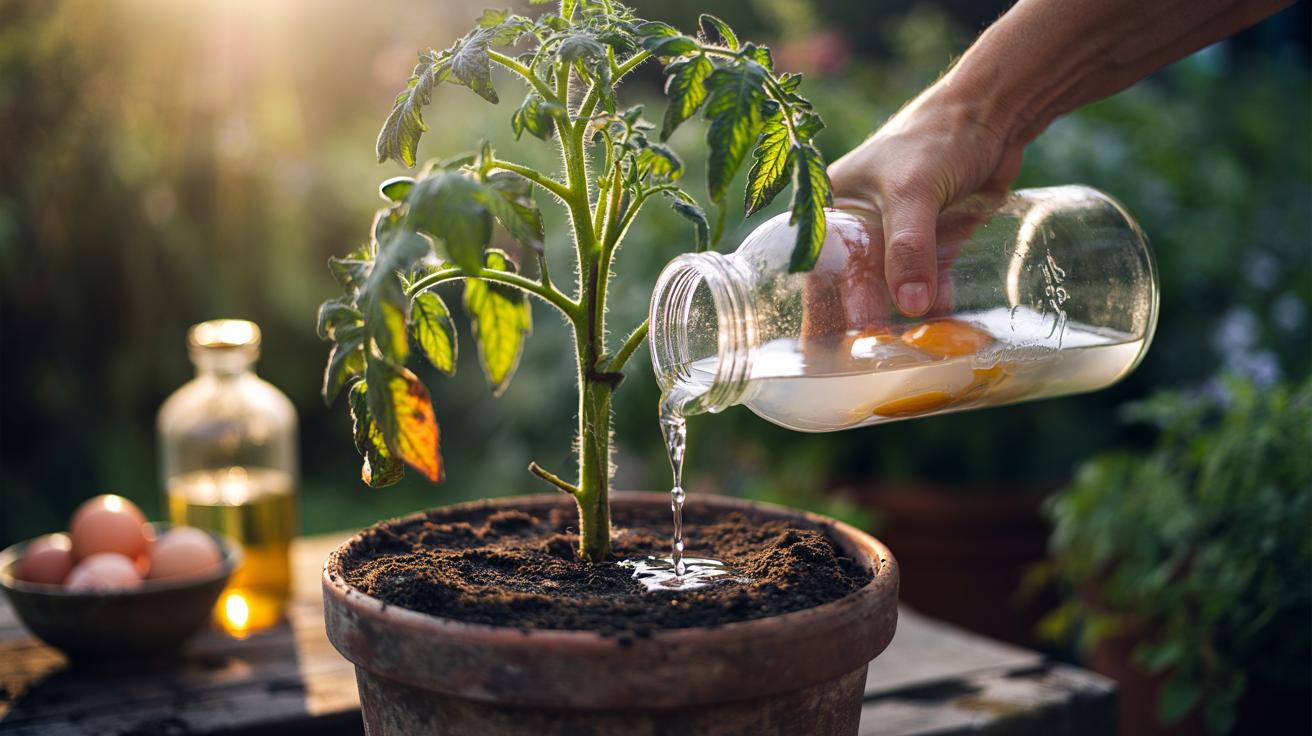
Here’s the kitchen-to-can method that compresses the chemistry into minutes. Rinse, dry and lightly toast eggshells to reduce pathogens and brittleness. Grind to a fine powder; surface area is key. Now the pivot: react the powder with household vinegar (acetic acid) to form calcium acetate, a readily soluble salt. You’ll see fizzing as CO₂ escapes. Never apply undiluted vinegar to roots—neutralisation and dilution are non-negotiable. A practical ratio: 1 teaspoon (about 3 g) shell powder to 2 tablespoons (30 ml) vinegar. Allow the reaction to finish—usually 2–3 minutes—then dilute with 250–500 ml water and strain.
This gives you a gentle, root-safe drench. Aim for cool, early-morning application to limit leaf scorch and maximise uptake. For 15–20 cm pots, 50–100 ml around the root zone is ample. Repeat no more than weekly during active growth. Safety first: check pH with a strip if possible; you’re aiming near neutral. If it’s still sharply sour, add more water until the bite fades. Skip foliar spraying until you’re confident; calcium solutions can mark leaves and compete with other ions on the surface.
| Parameter | Quick Reference |
|---|---|
| Eggshell powder | 1 tsp (≈3 g) |
| Vinegar (5% acetic) | 2 tbsp (30 ml) |
| Reaction time | 2–3 minutes (until fizzing slows) |
| Dilution water | 250–500 ml, then strain |
| Application per 15–20 cm pot | 50–100 ml at root zone |
| Visible response window | 10–30 minutes for perk; days for growth |
| Best plant targets | Tomatoes, peppers, courgettes, roses |
| Avoid/limit | Ericaceous plants (blueberries, azaleas) |
When and Where It Works Best
Use this tonic as a quick intervention for classic calcium-linked symptoms: blossom-end rot on tomatoes, tip burn on lettuces, distorted new leaves on rapidly growing ornamentals, or post-repot stall in container plants. It also helps after accidental overwatering when membranes need stabilising. If plants are wilting from drought, water first; calcium can’t move without moisture. In soft-water parts of Scotland, Wales and the South West, container mixes leach easily, making rapid calcium availability more valuable. Greenhouses and grow tents—where evapotranspiration and fruit load push demand—are prime arenas for a “calcium shock.”
Know the limits. pH sensitivity is real: ericaceous shrubs dislike extra calcium, and alkaline top-ups can lock out iron. Keep applications light and occasional, especially in chalky regions. Avoid stacking with high-phosphate feeds on the same day; precipitation reduces availability. A fortnightly seaweed extract can complement the effect by supporting root hormones without adding more calcium. Watch electrical conductivity in hydro and coco; balance matters. Think swift stabilisation, not a silver bullet. As the eggshell story shows, speed comes from chemistry: turning carbonates into soluble salts, then delivering them at the right moment to roots ready to respond.
This low-cost, low-waste technique blends kitchen thrift with plant physiology, giving gardeners a rapid-response option when pots falter. The “three-minute” headline captures the conversion step and the root’s lightning-fast signalling, while real recovery unfolds over hours and days. Used judiciously, a soluble eggshell calcium drench can prevent small troubles becoming crop losses, especially in containers and soft-water locales. It won’t fix every ailment, but it can stop a slide and buy time for broader care. What plant in your space—tomato, rose, or a cherished houseplant—deserves a careful, three-minute calcium rescue this week?
Did you like it?4.4/5 (22)