In a nutshell
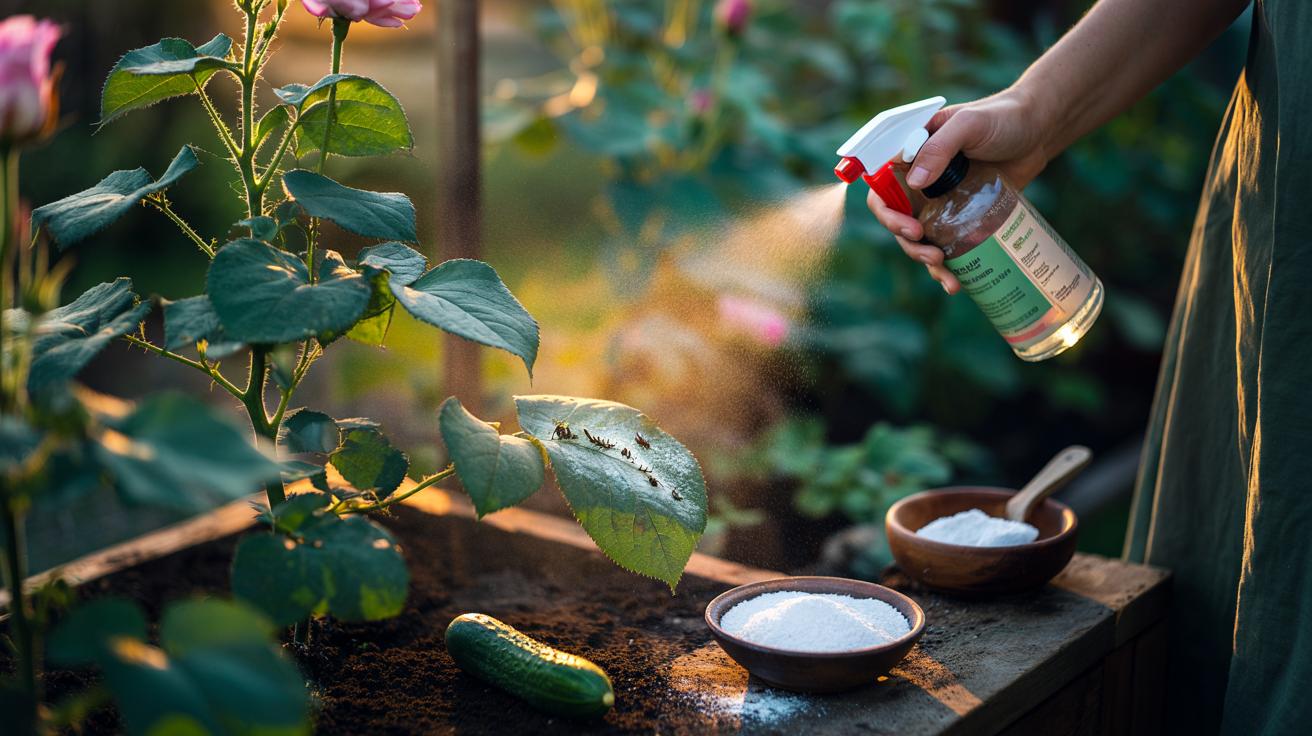
- 🌿 Baking soda (sodium bicarbonate) shifts leaf surface pH and texture, making plants less inviting to aphids and whiteflies; it’s a deterrent and anti-powdery mildew aid, not a broad-spectrum insecticide.
- 🌙 Mix an overnight spray: 1 teaspoon per litre of water + 3–4 drops mild soap (optional light oil), and mist leaf undersides at dusk; spot-test, avoid open blooms, and rinse if leaves show stress.
- 🐜 Use dry bicarbonate as a thin barrier along greenhouse thresholds and pot rims to disrupt ant trails and deter earwigs; keep off wet soil and reapply after rain or watering.
- 🛡️ Apply safely: fine film, not drips; halve dose for sensitive plants; protect pollinators and water features; follow a “less is more” approach with light weekly use during peak pressure.
- 🌼 Fold it into integrated pest management: improve airflow and hygiene, water in the morning, attract beneficials (ladybirds, hoverflies), set action thresholds, and reserve stronger options (e.g., insecticidal soap, neem) for surges.
There’s a quiet, affordable hero hiding in your cupboard. Sprinkle a little science and old-fashioned common sense on it, and you can wake to a calmer, cleaner allotment by morning. I’m talking about baking soda—the humble sodium bicarbonate with a knack for unsettling soft-bodied pests and calming outbreaks that keep gardeners pacing at dusk. It’s not a miracle pesticide. It won’t replace careful observation or healthy soil. Yet used smartly, at the right hour, it can disrupt insect activity, make leaves less inviting, and offer a gentle overnight reset. Here’s how to deploy it safely, effectively, and without torching your plants or your conscience.
Why Baking Soda Works in the Garden
At heart, sodium bicarbonate is mildly alkaline. On leaf surfaces it can nudge the micro-environment away from what many pests and fungi enjoy, particularly when mixed with a tiny amount of mild soap to help it spread. Hardly glamorous chemistry, but effective in context: the fine particles and altered pH can make leaves less palatable for aphids and discourage whiteflies. Dusted as a dry barrier on hard surfaces or container rims, it can interfere with ant trail signals and unsettle earwigs that hate crossing powdery lines. It’s a nudge, not a knockout.
Never mistake baking soda for a broad-spectrum insecticide. It won’t topple a severe infestation on its own and it can scorch plants if you overdose or spray at midday. Its most reliable fame is fungal: countless gardeners use bicarbonate solutions to suppress powdery mildew on roses, courgettes and cucumbers. That same mix, applied at dusk, can also reduce the overnight feeding of sap-suckers that congregate on tender shoots. The goal is to change the odds. Make your plants slightly less attractive tonight. Make them more resilient tomorrow.
Overnight Treatments You Can Mix in Minutes
Evening is your friend. Temperatures soften, UV drops, and beneficial insects are less active. For a quick foliar spray, combine 1 teaspoon baking soda with 1 litre water and 3–4 drops of mild, fragrance-free liquid soap. Add 1 teaspoon light horticultural oil if pests are stubborn. Mist the underside of leaves on roses, beans and cucurbits until lightly coated, not dripping. By dawn, many aphids and whiteflies will have moved on, and mildew spores will be under pressure. Never spray open blooms that pollinators will visit at first light.
For crawling nuisances, shake a narrow dusting of dry bicarbonate along greenhouse thresholds, pot rims and bench edges. It’s not lethal, but it’s a deterrent line that ants and earwigs dislike. Indoors or in outbuildings, some gardeners try a sugar–bicarbonate bait for cockroaches; outdoors, stick to barriers and hygiene to avoid attracting wildlife. Come morning, rinse foliage that looks stressed and reapply only as needed. Keep it simple, keep it measured.
| Target | Mix/Ratio | How to Apply at Dusk | Morning Follow-up | Cautions |
|---|---|---|---|---|
| Aphids/Whiteflies | 1 tsp soda + 1 L water + 3–4 drops mild soap | Light mist, focus undersides of leaves | Check wilt; rinse if leaves look stressed | Spot-test one leaf; avoid midday sun |
| Powdery Mildew | 1–1.5 tsp soda + 1 L water + soap | Even coverage on affected foliage | Repeat weekly if needed | Do not exceed dose; watch tender plants |
| Ant Trails | Dry baking soda (no water) | Dust thin line across entry points | Reapply after rain or watering | Keep off damp soil; use on hard edges |
Safe Application, Dosage, and Plant Protection
Always test first. Dab your chosen spray on a single, inconspicuous leaf and wait 24 hours. If there’s no yellowing, scorch or curl, scale up. Stick to 1 teaspoon of baking soda per litre as a routine dose. Sensitive foliage—basil, ferns, some houseplant cuttings—may prefer half strength. Spray at twilight, when stomata are settling and sun scorch is unlikely. Aim for a fine, even film, not a soak. Heavy wetting invites trouble and can leave alkaline residues that blemish leaves.
Keep powder barriers off wet soil, where they clump and become useless, and away from tender seedlings that don’t appreciate residue. Shield water features and avoid spraying near open flowers to protect pollinators. Store your bicarbonate mix fresh; it loses oomph if left standing for days. If you overdo it and see leaf stress, rinse gently at sunrise with plain water. Less is more; frequency beats force. A weekly nudge during peak pressure, tied to clean pruning and good airflow, defends plants without bruising them.
When Baking Soda Isn’t Enough: Integrating With Wider Pest Control
Every garden wins or loses on habitat. Manage the microclimate and pests become a footnote. Clear weeds under benches where ants farm aphids. Water early, not late, to avoid clammy nights that favour mildew. Encourage allies: hoverflies, lacewings, ladybirds. Plant umbellifers and single-flowered marigolds as nectar stations. Net brassicas, and hand-squish the first scouts you see on beans—speed beats spray. Where pressure surges, rotate in insecticidal soap or neem on non-blooming plants, and keep your bicarbonate for mildew management and gentle deterrence.
Set a threshold before you act. A dozen aphids? Hose them off. A colony on every tip? Bring the spray. Record what works, because patterns persist across seasons. Healthy soil and balanced feeding harden cell walls and reduce sap-sucker appeal; overfed, lush growth is an invitation. Use sticky traps to monitor, not to wage war. And remember: the aim is resilience, not sterility. A few insects signal a living garden; the absence of outbreaks signals balance. Baking soda is a tool in that balance, not the whole toolkit.
Baking soda can buy you a peaceful night’s sleep and a calmer morning round of inspection. Used judiciously, it discourages soft-bodied pests, trims mildew’s ambition, and keeps ant traffic away from greenhouse benches. It’s cheap, domestic, and surprisingly versatile when paired with timing and restraint. But the craft lies in how little you use, and how well you read your plants. What small overnight routine—spray, dust line, quick rinse—could become your new habit, and how might you adapt it as spring turns to summer and pest pressure shifts week by week?
Did you like it?4.5/5 (26)