In a nutshell
- 🌱 Eggshells deliver calcium carbonate that reinforces root cell walls, acts as a gentle pH buffer, and fosters beneficial microbial activity at the rhizosphere.
- 🛠️ Best practice: rinse, bake to sterilise, and grind; finer particle size speeds release, while top-dressing or mixing 5–10 g per plant ensures steady calcium in the root zone.
- ⚗️ Options and speed: choose fine powder for quick impact, crushed flakes for long-term supply, or carefully use eggshell vinegar for rapid correction of deficiencies.
- 🧪 Context matters: biggest gains in acidic or sandy soils; minimal effect on calcareous soils; avoid for acid-loving plants and confirm needs with a simple soil test.
- 🤝 Multiply the effect: pair with compost, smart watering and mulch, add mycorrhizal fungi for reach, and consider gypsum in heavy clays to improve structure without raising pH.
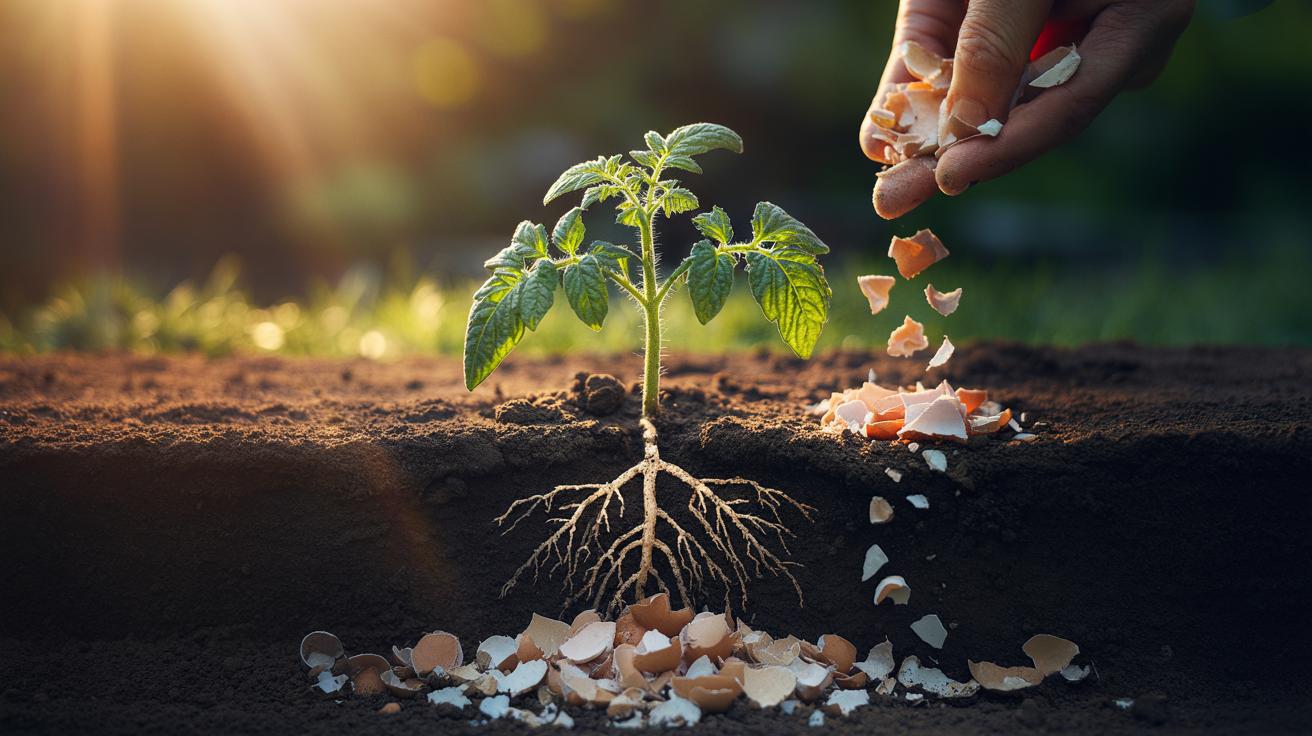
In a world that prizes quick fixes, the humble eggshell offers a quiet, enduring defence for your garden. Cracked, cleaned, and crushed, this kitchen cast-off becomes a root-first shield that helps plants stand taller against stress. The science is disarmingly simple: release calcium carbonate steadily, buffer acidity at the rhizosphere, and support the microscopic partnerships that keep roots thriving. It doesn’t shout; it sustains. For plants, consistently available calcium means tougher cell walls, fewer physiological hiccups, and more confident growth under pressure. Whether you keep herbs on a windowsill or manage allotment beds, eggshell protection turns waste into resilience with minimal effort and surprising elegance.
Why Eggshells Strengthen Roots
Eggshells are about 95% calcium carbonate, laced with magnesium and trace elements. Calcium is central to root strength: it cross-links pectins in cell walls, stabilises cell membranes, and moderates signalling at growing tips. Calcium is immobile in plants and must be continuously available in the root zone. That’s where crushed shells excel. Their slow dissolution delivers a gentle, persistent trickle of calcium, fortifying young roots as they branch and anchor. The result is sturdier root architecture and better nutrient uptake, which underpins broader plant stress resistance.
There’s also a subtle pH story. Eggshell particles slowly neutralise acidity right where roots and microbes interact, creating a friendly microhabitat for mycorrhizae and beneficial bacteria. Not a dramatic liming; a local buffer. Plants then allocate less energy to crisis management and more to growth, making them inherently more resilient to erratic watering, heat spikes, or transient salinity. Gardeners often notice fewer calcium-related disorders—think blossom-end rot in tomatoes and peppers—when the root zone receives steady calcium. The protection is not armour plating; it’s metabolic poise at the roots, delivered without fuss.
Preparing and Applying Eggshell Protection
Start clean. Rinse shells, peel away the inner membrane if it lingers, and sterilise by baking at 120–150°C for 10–15 minutes. This step eliminates pathogens and makes shells brittle and easy to grind. Particle size matters. A fine powder (<1 mm) releases calcium within weeks; coarse chips can sit for months before contributing. Use a pestle and mortar, rolling pin, or a dedicated coffee grinder. Avoid clouds of dust—wear a simple mask if you’re making lots.
For pots, blend 1–2 tablespoons of fine eggshell powder per litre of potting mix. For established plants, top-dress 5–10 grams around the drip line, then water in to settle particles into the upper 5 cm of soil. Seedlings respond well to a pinch of powder incorporated into the plug mix. To accelerate release, some gardeners create an “eggshell vinegar” by reacting powder with mild vinegar to form a soluble calcium acetate; use very sparingly, as it’s potent. Aim for steady background calcium, not a shock dose. Combine with compost or leafmould to feed microbes that help dissolve particles and move calcium into the fine root network.
Evidence, Limits, and Soil Context
The mechanism is well established: calcitic materials raise calcium availability and buffer acidity, and both actions support root health. Trials with finely milled eggshells show measurable increases in soil calcium and marginal rises in pH over weeks to months, especially in acidic or sandy soils where nutrients leach quickly. The release rate depends on particle size, microbial activity, and moisture. Coarse shells are essentially a long-term reserve; powder is practical for a single season. On calcareous soils already rich in calcium, the benefit is minimal and overuse may edge pH too high.
Cleanliness counts. Use only well-rinsed, baked shells to remove the faint risk of contamination. Don’t expect crushed shells to reliably deter slugs; evidence is mixed at best. And remember what eggshells don’t do: they are not a nitrogen source and won’t replace balanced feeding. Pair with compost for general nutrition. If you grow acid-loving plants like blueberries, skip eggshells or keep them well away from those beds. When in doubt, a simple soil test steers dosing and prevents creeping alkalinity.
| Form | Particle Size | Release Speed | Typical Dose | Best Use | Notes |
|---|---|---|---|---|---|
| Fine powder | <1 mm | 2–6 weeks | 5–10 g per plant | Seedlings, pots | Fastest impact; easy to mix |
| Crushed flakes | 1–5 mm | 2–6 months | Small handful per plant | Beds, perennials | Longer-term background supply |
| Eggshell vinegar | Fully dissolved | Days | 1–2 tsp in 1 L water | Correcting acute deficiency | Use sparingly; potent |
Companion Strategies That Multiply the Effect
Eggshells shine brightest inside a system that favours root poise. Water deeply but infrequently to pull roots down, then mulch with leaves or straw to curb evaporation and keep microbial partners humming. Pair eggshell powder with a spoon of compost at planting; the organic acids help dissolve calcium while feeding the rhizosphere. Where soils are heavy clay, a dusting of gypsum can complement eggshells by supplying calcium without raising pH and by improving soil structure over time.
In high-demand crops—tomatoes, peppers, courgettes—add a balanced feed with adequate potassium and magnesium so calcium can do its job reinforcing cell walls without being hampered by other shortages. Consider inoculating transplants with mycorrhizal fungi to extend the root’s reach into micro-pores where eggshell particles gradually dissolve. Think of eggshells as the backbone of a calm, buffered root zone; the rest of your care routine adds muscle and agility. Keep expectations realistic, track results, and adjust: a gardener’s notebook beats guesswork, turning one season’s hunch into next season’s confidence.
In the end, eggshell protection is a small ritual that compounds. Clean, crush, and tuck those particles where roots live, then let time and microbes do the heavy lifting. You’re not hacking growth; you’re steadying it. Plants respond with fewer collapses under heat, tighter fruits, and roots that keep pushing even when conditions wobble. It’s the quiet infrastructure of resilience—out of sight, constantly at work. How might you tailor this simple practice to your soil, your crops, and your changing weather in the season ahead?
Did you like it?4.4/5 (30)