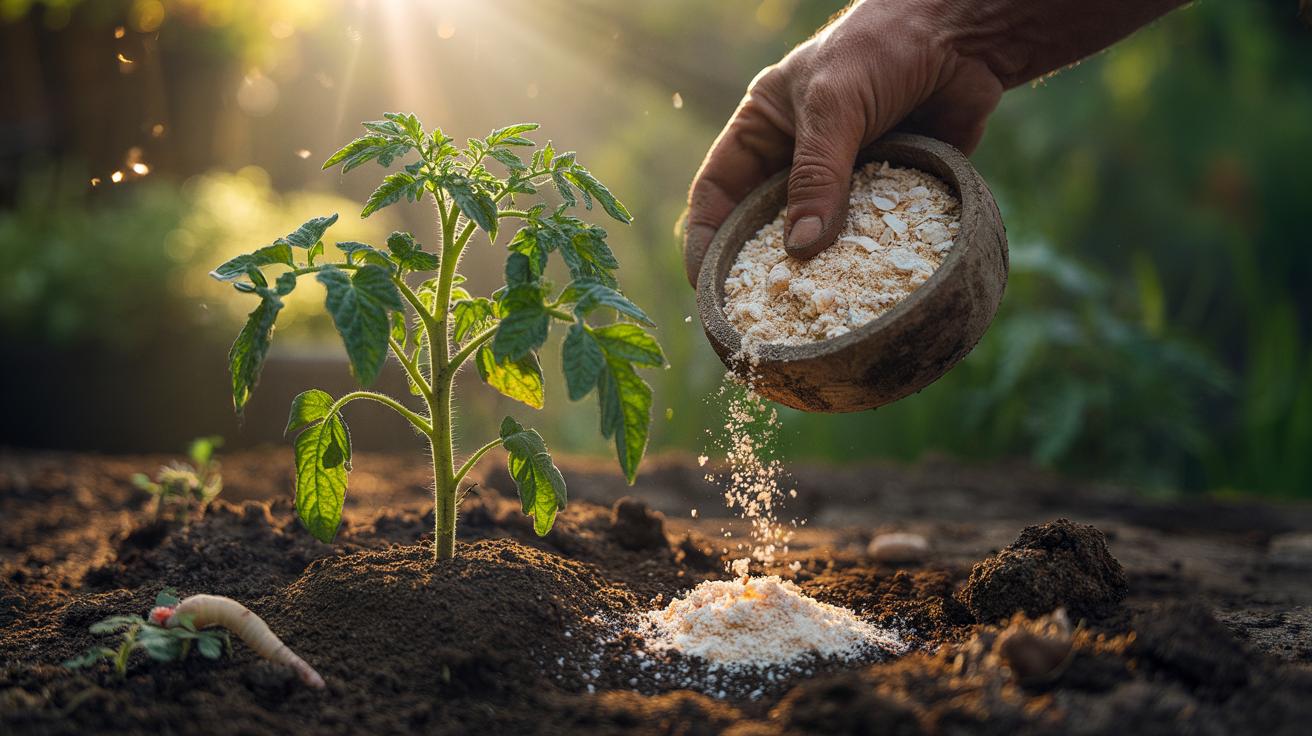
In a nutshell
- 🌱 Eggshell calcium (as calcium carbonate) improves soil structure, boosts aggregation and aeration, gently moderates pH, and supports mycorrhizae for better nutrient access.
- 🧪 Prep matters: rinse, dry, bake at 120–150°C for 10–15 minutes, then grind; finer particles release faster. Apply 70–120 g/m² to beds or 1–2 tsp per 5 L pot, mixed evenly into soil or compost.
- 🔬 In roots, calcium stabilises membranes and cross-links pectins, sharpening uptake of nitrate, potassium and phosphorus, while easing aluminium toxicity on acidic soils.
- 🪴 Tangible gains: sturdier growth, fewer “mystery deficiencies,” and reduced risk of blossom end rot with consistent watering—yet avoid overuse on neutral/chalky soils to prevent micronutrient lock-up.
- ⚖️ Strategy: pair shells with organic matter, choose powder/grit/crushed for timing, keep doses modest, and test annually so calcium supports—rather than antagonises—Mg and K uptake.
Britain’s gardeners love a thrifty trick, and few feel as satisfyingly circular as transforming breakfast leftovers into a tonic for the border. Crushed and powdered eggshell blend brings a steady supply of calcium to tired beds, helping roots take in more of what the soil already holds. It’s not magic; it’s chemistry meeting biology. Handled correctly, kitchen waste becomes a precise soil amendment rather than a folk remedy. The result is sturdier stems, smoother nutrient traffic, and fewer pH wobbles that lock up food. Here’s how the humble shell invigorates soil life and enhances nutrient absorption in plants, from tomatoes to tender ornamentals.
Why Calcium from Eggshells Shapes Healthier Soil
Eggshells are largely calcium carbonate, a slow, natural liming agent that quietly adjusts acidity and nourishes the subterranean world where roots, microbes, and minerals trade favours. Calcium does more than “feed” plants. It organises the soil. By promoting flocculation, it helps fine particles cluster, building soil structure that lets air and water move without washing fertility away. Good structure means pores for oxygen, pathways for roots, and stable aggregates that resist compaction. In this improved architecture, beneficial fungi such as mycorrhizae colonise more effectively, extending a plant’s nutrient-gathering reach and unlocking phosphorus that would otherwise sit insoluble.
Inside the plant, calcium stabilises membranes and cross-links pectins in cell walls. Those stronger walls curb leaks, so transport proteins can shuttle nitrate, potassium, and magnesium with less interference. Think of calcium as the traffic officer: it doesn’t drive the lorry of nutrients, but it keeps the junction clear. Slight pH lifts from eggshells ease aluminium toxicity on acidic ground and improve the availability of phosphorus and molybdenum. Balanced calcium sharpens the whole nutrient network, so feeds already in the soil work harder. The outcome is quieter stress signalling, steadier growth, and foliage that resists collapse during drought-and-deluge cycles so common in UK summers.
From Kitchen Scraps to Bioavailable Calcium: Preparation and Particle Size
Preparation determines how quickly calcium moves from shell to soil solution. Rinse shells, air-dry, then bake at 120–150°C for 10–15 minutes to sanitise and make them brittle. Grind to your target size: a spice grinder or mortar yields powder; a rolling pin makes grit. Finer particles dissolve faster and act within a single season. Mix the material through compost or topsoil rather than scattering on the surface where wind and wildlife send it wandering. For beds, work in 70–120 g of fine powder per m² in spring or autumn; for pots, 1–2 teaspoons per 5-litre container, blended evenly. Avoid piling around stems.
Shells are alkaline. On neutral or chalky sites, keep doses modest to prevent micronutrient lock-up (iron, manganese). Pair with rich organic matter to buffer pH changes and feed microbes that nibble at calcium carbonate edges. Eggshell “tea” offers little calcium compared with powder; contact with soil acids and roots matters far more. If you’re uncertain, run a simple pH and nutrient test first, then repeat annually. The goal isn’t to chase numbers, but to tune the medium so nutrients remain mobile without veering into deficiency or antagonism.
| Particle Size | Description | Relative Release | Best Use |
|---|---|---|---|
| Powder (<0.5 mm) | Flour-like, high surface area | Fast (seasonal) | Quick pH nudge, pots, seed composts |
| Fine Grit (0.5–2 mm) | Sandy texture, easy to blend | Moderate | Vegetable beds, perennial borders |
| Crushed (>2 mm) | Chunky, slow to weather | Slow (multi-year) | Long-term soil conditioning, mulches |
How Calcium Enhances Nutrient Absorption in Plants
Calcium’s quiet power lies in membranes. It stabilises lipid bilayers in root cells, reducing leakage and letting transporter proteins work cleanly. With that stability, roots regulate the uptake of nitrate and potassium more precisely, while avoiding luxury consumption that wastes fertiliser. In the apoplast, calcium binds to pectins, stiffening cell walls and creating a selective barrier that shapes ion flow. When membranes hold their integrity, nutrient gradients remain crisp and absorption becomes efficient. Slightly higher rhizosphere pH from eggshell calcium carbonate also shifts phosphorus chemistry, nudging it into forms roots and mycorrhizae can access.
In the real world, this shows up as fewer “mystery deficiencies” after rain, stronger growth in brassicas, and steadier fruit set. Take blossom end rot in tomatoes: it’s usually a transport problem, not a simple lack of calcium in soil. Eggshell powder won’t fix an acute episode overnight, but consistent calcium availability plus even watering dramatically reduces the risk. Beware excess, though. Too much calcium can antagonise magnesium and potassium uptake, especially in containers. That’s why blending shells with compost, maintaining mulch, and watering regularly creates the synergy: a buffered, biologically busy root zone where calcium supports, rather than shouts over, other nutrients.
Handled with care, an eggshell blend becomes a slow, steady partner to compost and mulches, aligning soil physics with plant physiology. The prize is not a quick fix, but a resilient growing medium that releases food when plants need it. Grind shells to the right size, dose modestly, and let microbes and roots do the heavy lifting. Test once a year. Watch how foliage colour, leaf thickness, and watering intervals change. As energy bills climb and inputs get pricier, this is thrifty science at home. How will you fold calcium from your kitchen into a season-long plan to coax more flavour, flowers, and resilience from your soil?
Did you like it?4.6/5 (27)