In a nutshell
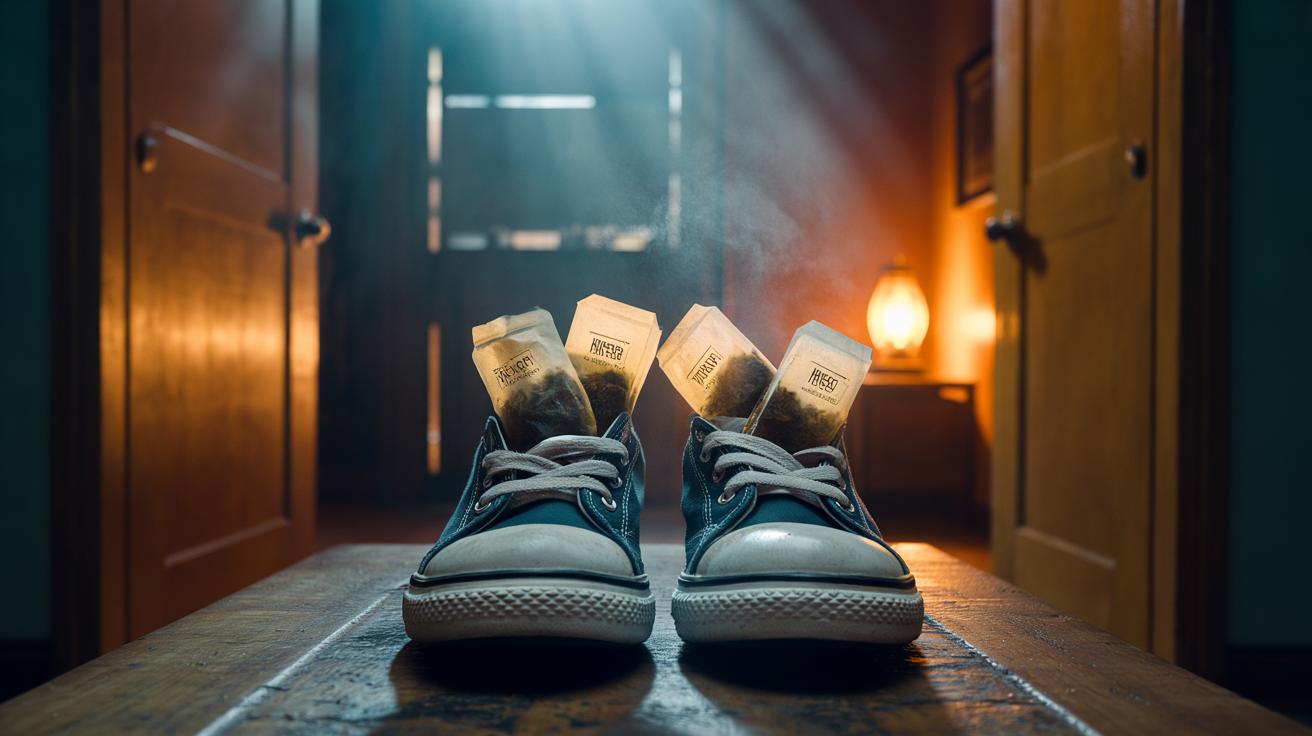
- 🫖 Use dry tea bags to absorb moisture and bind odour molecules, cutting shoe odours overnight without sprays or harsh chemicals.
- 🧪 How it works: tannins and polyphenols interact with volatile compounds (like isovaleric acid) while plant fibres wick sweat to starve bacteria.
- 🥾 Practical steps: insert 2–3 dry bags per shoe, leave for 8–12 hours, and optionally pair with silica gel or contained bicarbonate of soda for stubborn smells.
- 🌿 Choosing tea: Black tea is strongest; green tea is gentler; peppermint adds freshness—avoid oily blends and replace bags after several uses.
- ✅ Safety and habits: never use wet bags, test on pale linings, rotate footwear, wear moisture-wicking socks, and deep-clean or replace insoles if odours persist.
There’s a humble fix for shoes that smell like last week’s gym kit, and it’s probably in your kitchen cupboard. Pop a few tea bags into your trainers or brogues before bed and wake up to a fresher, less embarrassing pair. The science is neat: plant compounds in tea latch onto odour molecules, while the dry leaves wick away sweat trapped in the lining. It’s cheap. It’s fast. It’s surprisingly effective. Used correctly, this overnight trick can neutralise persistent odours without perfumes or harsh chemicals. Here’s how it works, why it works, and how to get the most from it—plus when to switch tactics if your shoes need deeper care.
Why Tea Bags Work Inside Shoes
Tea isn’t just a comforting brew; it’s a pocket laboratory of tannins, polyphenols, and porous plant fibres. These compounds interact with the volatile organic compounds that make shoes stink—think isovaleric acid from sweat-metabolising bacteria—and make them less volatile, less noticeable, and sometimes chemically bound. The dry leaves act like a sponge for moisture, a crucial step because dampness is odour’s best friend. Cut off the humidity and the microbes lose their playground. In short: dry the interior and you starve the smell at its source.
Different teas behave slightly differently. Black tea is rich in tannins and tends to be the most assertive deodoriser; green tea is gentler but still effective; peppermint adds a crisp scent overlay without heavy perfume. The thin paper envelope of a tea bag spreads surface area, aiding adsorption of stink-causing compounds. And because tea bags are light and flexible, they nestle deep into toe boxes where odour concentrates. It’s a low-tech hack with high utility, especially for trainers, work shoes, and school shoes that don’t air out between busy days.
Step-by-Step: The Overnight Deodorising Method
Start with dry tea bags. Never place wet or recently brewed bags inside footwear—moisture will feed more bacteria and may stain. For standard adult sizes, use two bags per shoe; for heavy trainers or boots, three. Press them into the toe box and under the insole edge if removable. Seal the shoes loosely in a breathable cotton tote or leave them open in a dry, drafty spot. Eight to twelve hours is ideal. If your shoes are soaked with sweat, add a few extra hours.
In the morning, tap out any loose dust and give the shoes five minutes to air. For very stubborn odours, repeat nightly for two to three days. You can boost the effect by pairing tea with a small sachet of silica gel or a teaspoon of bicarbonate of soda (in a tissue packet to avoid mess). Avoid direct heat sources that can warp glue and leather. If you rotate pairs, slot tea bags in immediately after wear; the earlier you dry and neutralise, the less the smell builds. Simple, quick, quiet—no sprays, no fuss, no lingering synthetic fragrance.
Choosing the Right Tea and When to Replace
Most unflavoured teas will help, but some excel. Prioritise plain black tea for maximum tannins, or green tea for a lighter touch. Herbal bags like peppermint and chamomile contribute a fresh top note but contain fewer tannins; they’re best as a complement. Avoid oily, dessert-style blends that can leave residue. Always use fresh, dry bags; previously brewed bags risk moisture, staining, and mould. Replace the deodorising set every few uses or when they’ve absorbed a noticeable whiff themselves. Store a small box by the shoe rack for grab-and-go convenience.
| Tea Type | Key Compounds | Odour Control | Notes |
|---|---|---|---|
| Black Tea | Tannins, theaflavins | Strong | Best all-round; check for dye transfer on pale suede. |
| Green Tea | Catechins | Moderate | Gentle option; clean scent. |
| Peppermint | Menthol, terpenes | Moderate (scent boost) | Great freshness overlay; lower tannins. |
| Rooibos | Polyphenols (aspalathin) | Light–Moderate | Non-caffeinated; milder deodorising. |
For white interiors or delicate leathers, test first: place a bag for one hour and check for discolouration. If you notice tinting, wrap the bag in thin tissue. Swap bags after three to five uses, or sooner if they’ve been exposed to high humidity. Fresh, dry, and tannin-rich beats fancy every time.
Safety, Limits, and Smell-Proof Habits
Tea bags are a deodoriser, not a detergent or medicine. If odour is tied to athlete’s foot or fungal issues, consult a pharmacist and treat the cause; then launder or disinfect insoles as directed. Do not use damp bags, and be cautious with pale linings that could pick up colour. For leather or suede, air-dry thoroughly after wear and use a cedar shoe tree to balance moisture. For fabric trainers, remove insoles weekly and wash according to care labels.
Build habits that keep smells at bay. Rotate pairs to give each at least 24 hours’ rest. Wear moisture-wicking socks (merino or technical blends beat cotton on sweaty days). After rain, stuff shoes with newspaper for an hour, then switch to tea bags overnight to finish the dry-down. Consider occasional deep cleans and, for chronic cases, an insert of activated charcoal or a sprinkle of bicarbonate (contained). The tea-bag trick excels as a daily defence and a rapid reset—ideal before a commute, a meeting, or a night out when odour can’t be allowed to follow you into the room.
The beauty of this method is its simplicity: low cost, high impact, and no synthetic fog to masquerade as cleanliness. Use the right tea, keep it dry, and apply it early, and you’ll blunt even stubborn shoe smells while protecting fabrics and adhesives. If a pair still kicks up a stink after two or three overnight cycles, step up to washing insoles or replacing them entirely. Ready to try it tonight—or do you have a favourite twist on the tea-bag trick that the rest of us should test next?
Did you like it?4.4/5 (23)