In a nutshell
- 🧊 A humble rubber band refrigerator seal boosts air‑tightness, stabilising temperature and humidity so food stays fresher and flavours last longer.
- 🥬 Practical steps: band bowls, jars, and produce bags to reduce vapour exchange, prevent odour transfer, and add days to greens, cheese, and leftovers.
- 🧪 Diagnose leaks with the paper test, clean and warm‑reshape the gasket, and use wide bands briefly for extra compression while the seal settles.
- 🛠️ Buy smart: choose food‑safe silicone bands (8–20 mm wide) for durability and easy washing; replace tired bands and upgrade the gasket if cracks or persistent condensation appear.
- ♻️ Results you can taste: fewer soggy salads and off smells, less energy waste, and significantly longer shelf life for everyday staples.
Britain throws away shocking amounts of food every year, much of it lost in the limbo between “still fresh” and “past it.” In a cost‑of‑living squeeze, a humble tool is staging a quiet revolution in kitchens: the rubber band refrigerator seal. It’s not a gadget. It’s a method. By tightening the closure on containers and produce bags, and by gently supporting a tired door gasket, a simple band can curb air leaks that steal chill, moisture, and flavour. The result? Crisper greens, cheese that doesn’t sweat, leftovers that taste as intended. Small pressure, smartly placed, can transform how long food stays fresh.
Why a Rubber Band Fix Works
Refrigeration is a game of pressure and moisture. Your door gasket is meant to create a continuous seal so cold, dry air stays in and warm, humid air stays out. When that seal is imperfect—age, grime, or slight warping—tiny leaks invite moisture that condenses on cool surfaces, nudging bacteria and mould along and causing frost build‑up that forces the compressor to work harder. A rubber band cannot replace the gasket’s magnet, yet it can provide extra compression where it counts: around food containers and bags, and as a temporary aid while you coax the gasket back to shape. The physics is simple. Tighter closures reduce vapour exchange, slowing oxidation, odour transfer, and dehydration.
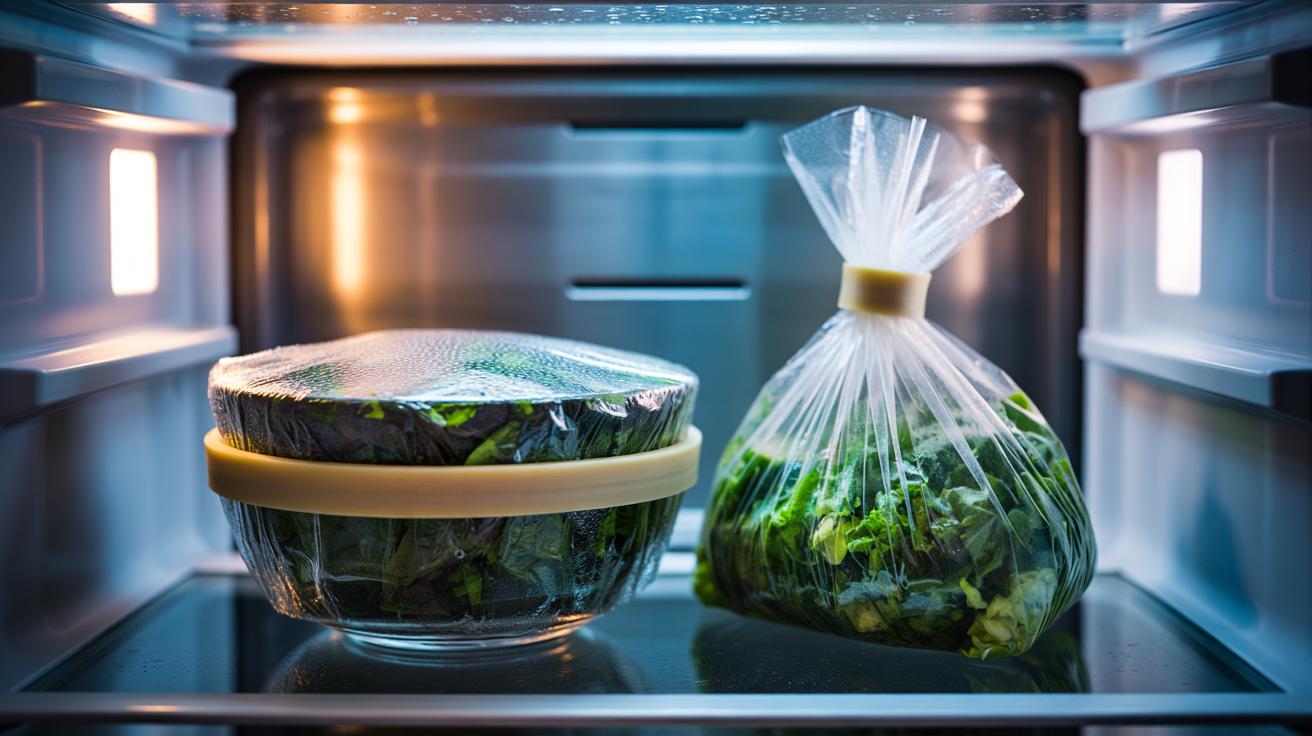
Produce benefits disproportionately. Leafy greens wilt as ethylene and humidity swing wildly with each door opening. Banding the neck of a perforated bag, or cinching cling film to a bowl with a wide silicone band, stabilises the microclimate right next to the food. Cheese fares better when wrapped and banded so air contact is minimised but not eliminated. By narrowing the path for air to wander, you keep temperature and moisture steadier for longer. That coherence translates to fewer soggy salads, less fridge smell, and less midnight binning.
Step‑By‑Step: Using Bands to Seal Food and Containers
Start clean. Wash bands in warm, soapy water, rinse, and dry. Choose food‑safe silicone or heavy‑duty natural rubber bands at least 8–12 mm wide; wider bands distribute pressure and prevent cutting into wrap. For bowls, cover with cling film or a reusable cover, then loop a band around the rim so the film sits drum‑tight. For herb bunches, wrap stems in a damp paper towel, slip into a vented bag, and secure the neck lightly with a band. With cheese, wrap in wax paper or specialised cheese paper, then band the package to keep edges closed without smothering the cheese.
Leftovers in jars? If the lid seal is suspect, a band around the lid and threads improves contact pressure. For freezer and fridge bags, expel as much air as possible, fold the top once, and band below the fold. Avoid fully sealing hot food; let steam vent before banding to prevent condensation. Tension should be snug, not strangling—too tight can crush delicate leaves and force liquid out. Check banded items every couple of days; adjust as contents settle or shrink.
| Item | Typical Problem | Band‑Assisted Benefit (Approx.) |
|---|---|---|
| Leafy greens (in bag) | Wilting, moisture loss | Extra 3–5 days of crispness |
| Cheddar or hard cheese | Dry edges, odour transfer | Edges stay supple 7–10 days longer |
| Cooked leftovers (bowl) | Condensation, off smells | Flavour preserved for 2–3 more days |
Testing and Improving the Door Gasket Without Tools
Before tinkering, run the paper test. Close a sheet of thin paper in the fridge door so half is inside, half outside. Tug gently. Good sections resist; weak spots slide out. Clean the gasket thoroughly with warm, mild soapy water and a soft cloth, then dry. Dirt is a surprisingly common culprit. If the gasket is wavy, soak a cloth in warm water, hold it over the kinked area for a minute, and massage it flat. While it cools, you can place two wide silicone bands around the door perimeter (not across the latch) to add modest compression for an hour or two. Remove bands before normal use.
Important cautions apply. Do not leave bands bridging the door during everyday operation; you risk deforming the seal and stressing hinges. Never obstruct safety closures on child‑safe fridges. A light wipe of food‑safe silicone conditioner can keep rubber supple, but avoid oils that swell seals. After any massage, repeat the paper test at multiple points. If paper slips everywhere, or you see cracks, tears, or mould embedded in the rubber, no band will save it. At that point, a model‑specific replacement gasket is the smart, long‑term fix, protecting both food safety and energy bills.
What to Buy: Band Materials, Sizes, and When to Upgrade
Materials matter. Silicone bands (often sold as cooking or roasting bands) tolerate cold, heat, and repeated washing without perishing. They also resist odour absorption, a boon when your fridge hosts both Stilton and strawberries. Quality natural rubber offers higher friction and strong elasticity, but it can crack sooner in cold, dry air. Choose widths between 8–20 mm for rims and bowls, and slimmer bands for bag necks. Sizes that fit common containers—80–120 mm laid flat—cover most uses. Keep a small assortment in a jar by the fridge, and refresh the set every few months as bands tire.
When does a hack become a hindrance? Look for signs the refrigerator seal itself is past its sell‑by: persistent condensation on shelves, frost creeping round the freezer door, a compressor that seems to run almost constantly, or that paper test failing in multiple spots. Replacement gaskets are designed for DIY: they press into a channel or screw behind a trim. Take your time, warm the new seal with hot water to relax kinks, and close the door for several hours so the magnet learns the frame. It’s a straightforward Saturday job that restores factory performance.
In a world of complex kitchen tech, the rubber band’s appeal is its elegant simplicity. It tightens the right spaces, stabilises humidity where it matters, and gives a faltering seal a dignified encore—often enough to keep carrots crisp and curry fragrant until you’re ready. Pair that with routine cleaning and the paper test, and you’ll spend less, waste less, and open the door to food that still tastes like itself. What small, smart tweaks are you ready to try this week to help your fridge keep calm and carry on preserving?
Did you like it?4.5/5 (21)