In a nutshell
- 🧠 Attention bias drives everyday choices; salience and proximity beat intention, so design beats discipline when small cues redirect habits and end unwanted behaviour.
- 🔍 Unnoticed mechanisms — priming, affordances, signal-to-noise, and predictive processing — explain why subtle tweaks (urinal “fly”, footprints to bins, duplex defaults, grayscale phones) shift actions.
- 🛠️ Practical playbook: define the target behaviour, map triggers, add friction to the bad path, remove it from the good, change what’s seen first, use defaults, prompts, and cue–response scripts.
- 🧭 Ethics first: be transparent, offer opt-outs, avoid dark patterns, protect dignity, and ensure child-friendly clarity — design should empower, not trick.
- 📊 Prove impact: set baselines, run A/B tests over weeks, monitor spillovers and backfire effects, and prune signals that don’t earn attention.
We like to think willpower drives change. It rarely does. What alters behaviour, day to day, is where your attention lands first. Psychologists call it attention bias — the mind’s tilt toward what’s salient right now — and it shapes whether we click, snack, scroll, or stop. The twist? The details that redirect attention are often invisible in plain sight: colour, placement, default settings, tiny sounds. Small cues, applied consistently, can end big problems. From litter on the high street to phone addiction at home, the fix often lies not in lectures but in the local environment. Here’s how unnoticed details shift actions — and how to use them responsibly.
What Is Attention Bias and Why It Matters
Attention bias is the cognitive shortcut that prioritises stimuli our brain expects to matter. It’s efficient, but it can mislead. A bright packet trumps a bland salad. A buzzing phone overruns a quiet book. In practice, salience and proximity beat intention. Design beats discipline when the race starts at the eyes. The upshot for ending unwanted behaviour — late-night snacking, doomscrolling, impulse spending — is clear: shift what’s noticed first and the habit loop stutters.
Three dynamics do the heavy lifting. First, cue dominance: the first cue in view anchors choice, so it deserves ruthless curation. Second, friction asymmetry: tiny obstacles deter bad habits far more than they deter good ones; one extra click can halve usage. Third, default effects: what’s pre-selected often sticks, because opting out costs attention. Notice how these are not lectures to the self. They are environmental edits. The brain follows the path of least attention. That path can be redirected with almost ridiculous subtlety, from shelf height to notification tones, and the results compound over weeks.
The Psychology of Unnoticed Details
Unnoticed details work through several mechanisms. Priming readies a response before we’re aware of choosing. Affordances suggest actions — a handle invites pulling, a bowl invites reaching. Signal-to-noise determines which cue wins the microsecond race to consciousness. And predictive processing means we see what we expect; change expectations and perception bends with them. What’s foregrounded in the environment becomes foregrounded in the mind.
Consider public-space experiments. A “fly” sticker inside urinals reduced spillage at Schiphol Airport by steering aim without signage. Transport for London’s stair prompts nudge movement during rush hour by highlighting steps. In offices, switching printers to double-sided as the default cuts paper instantly. At home, a grayscale phone drains the slot-machine sparkle from apps, lowering screen time without a ban. The details are tiny; the cumulative impact isn’t.
| Unnoticed Detail | Target Behaviour | Mechanism | Evidence/Example |
|---|---|---|---|
| “Fly” sticker in urinal | Reduce spillage | Salient focal point | Schiphol Airport pilot |
| Green footprints to bins | Less littering | Guided attention | City trials in UK parks |
| Default duplex printing | Cut paper use | Default effect | Office sustainability programmes |
| Phone set to grayscale | Lower screen time | Reduced salience | Digital wellbeing interventions |
Practical Steps to End Unwanted Behaviour at Home and Work
Start with a crisp definition: what exactly should stop, when, and where? Vague goals fail because attention drifts. Map the trigger moments. Is it 9 p.m. on the sofa, or the first minute at your desk? Design those first seconds. Put friction on the unwanted path: log out of shopping sites; move snacks to a high cupboard; place the games console in a box with a cable you must fetch. At the same time, remove friction from the desired path: water bottle on the desk, book beside the kettle, running shoes by the door.
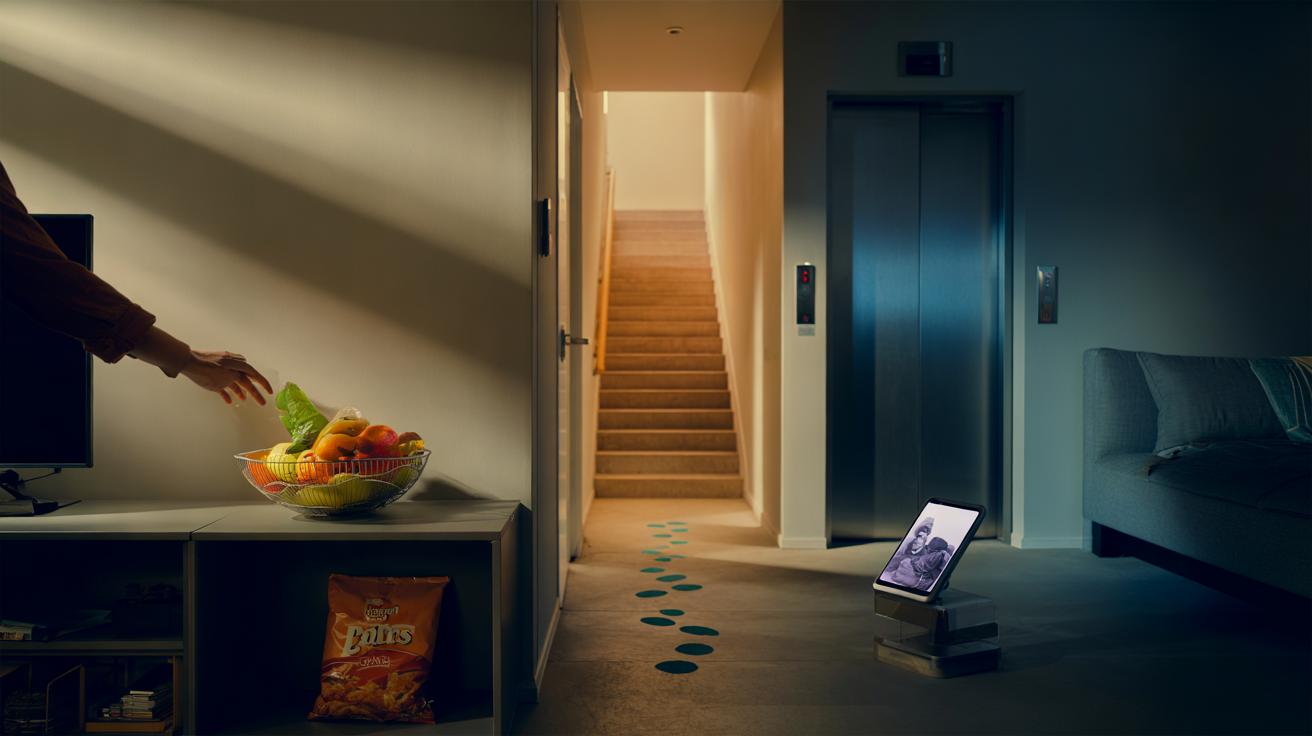
Change what’s seen first. Place fruit at eye level; slide distracting apps off the home screen; pin essential documents to the top of project folders. Use defaults: double-sided printing, Do Not Disturb as the evening standard, calendar invites with brief walking buffers. Add visual prompts — a post-it on the TV remote, a single-page checklist on the monitor. Pair cues with replacement behaviours: herbal tea for wine; a five-minute stretch for a doomscroll. Finally, script a cue–response: “When I reach for my phone in bed, I put it on the hallway charger instead.” Small, automatic, repeatable.
Ethical Guardrails and Measuring Real Change
Nudging with attention is powerful, which makes ethics non-negotiable. Design should empower, not trick. Favour transparency: tell teams what you’re changing and why. Offer opt-outs. Avoid dark patterns that bury choices. Keep dignity intact — no shaming signs, no manipulative countdowns. For children, default to parental consent and clear explanations. In public spaces, prefer cues that also inform, not just divert.
Measure whether the shift works — and lasts. Set a baseline: minutes on social media, snacks consumed, paper used, lifts taken versus stairs. Then run small A/B tests: one floor gets footprints to the stairs, another doesn’t. Track over weeks, not days; novelty fades. Look for spillovers: did reducing screen time at night improve sleep and next-day focus? Keep an eye on backfire effects: if treats disappear, do people overcompensate later? Close the loop by removing ineffective tweaks. Attention is finite; don’t clutter it with signals that don’t earn their place.
The lesson is pragmatic and hopeful: bend the beam of attention and behaviour follows. Not with slogans. With placement, defaults, friction, and cues that meet people where they are. End the wrestling match with willpower and redesign the ring. In homes, offices, and streets, the smallest elements can shift the biggest routines, if we make them visible to the eyes before they’re visible to the mind. Which unnoticed detail in your daily environment will you change first, and how will you know it truly worked?
Did you like it?4.4/5 (29)